
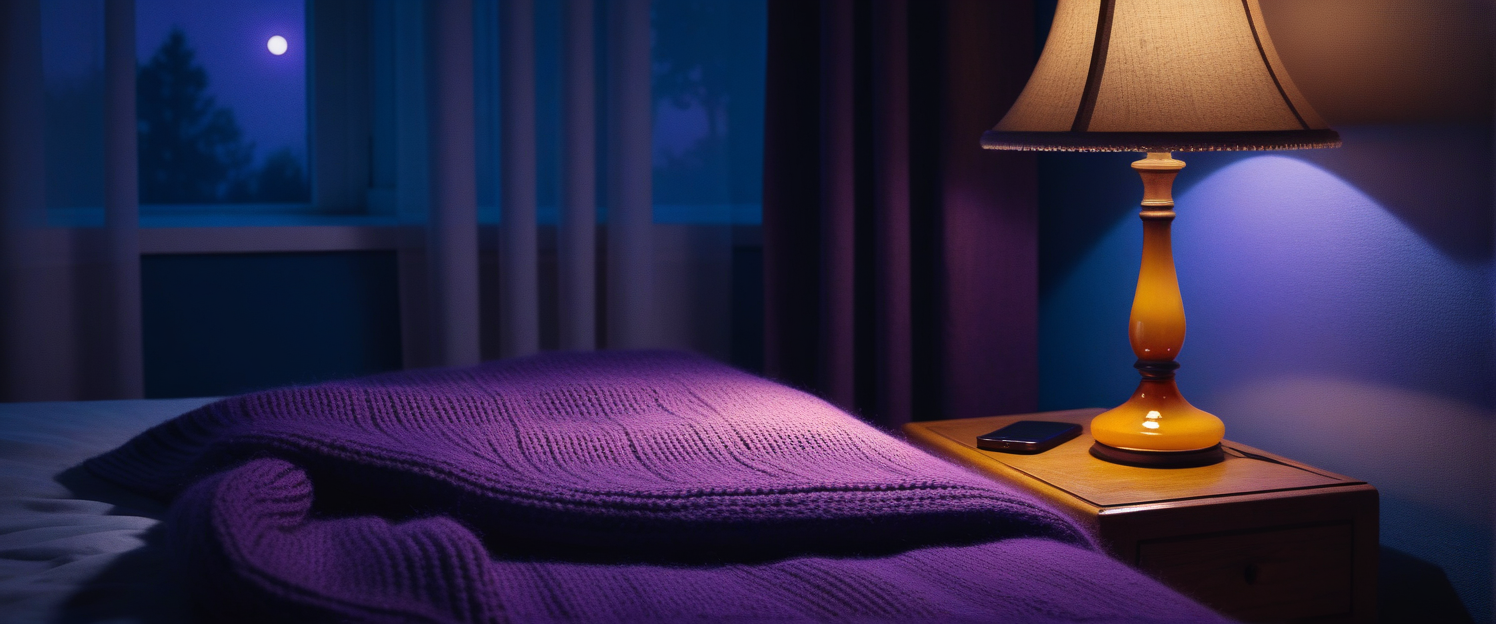
You know the drill. It's 11:47 PM. You told yourself you'd be asleep by midnight. Instead, you're three TikTok dances and a thread about celebrity divorces deep into a rabbit hole that started with "just one more video." Your eyes are dry, your neck is stiff, and that low-grade anxiety hum is back in full force. Sound familiar? You're not weak-willed. You're up against a machine designed by some of the smartest engineers on the planet, whose entire job is to keep you scrolling. 💜
Why Your Brain Can't Look Away
Doom-scrolling isn't a personal failing—it's a feature, not a bug. Social media platforms use variable reward schedules, the same psychological mechanism that makes slot machines so addictive. Every swipe is a gamble: will this next post be boring, funny, infuriating, or fascinating? That uncertainty triggers dopamine hits that keep you coming back for more. Your brain literally cannot predict when the next reward is coming, so it keeps scrolling to find out.
And it's not just about entertainment. When you're anxious or stressed, scrolling becomes a coping mechanism. It's a way to distract yourself from uncomfortable thoughts or feelings. The problem? That cheap distraction comes with a heavy price tag for your mental health and sleep quality.
The Hidden Cost of Nighttime Scrolling
Here's what happens when you trade sleep for screen time:
Your melatonin production drops. The blue light from your phone suppresses the hormone that signals to your body it's time to sleep. You're essentially telling your brain it's still daytime, even as your body craves rest.
Your anxiety spikes. Consuming news, drama, or even just an endless stream of content keeps your nervous system in a state of low-grade alert. You're feeding your brain exactly the kind of stimulation it needs to shut down.
Your sleep quality plummets. Even if you fall asleep, the time spent scrolling delays your entry into deep, restorative sleep cycles. You wake up feeling less rested, which makes you more likely to reach for your phone the next night. It's a vicious cycle.
Building Your Digital Sunset
The good news? You don't need to throw your phone in the ocean or delete every app. Small, intentional shifts create real change. Here's how to build a wind-down routine that actually sticks:
Start With a "Digital Sunset" Time
Pick a time 60-90 minutes before bed when screens go dark. Not "try to put the phone away"—actually set a boundary. Use your phone's built-in screen time features or a simple alarm as a cue. When it goes off, that's your signal to transition.
Replace, Don't Just Remove
Willpower alone rarely works. Instead of just putting the phone down, have a replacement activity ready: a book (physical, not Kindle), a journal, gentle stretching, or even just sitting with a cup of herbal tea. Give your hands and mind something else to do.
Create Friction
Make scrolling slightly harder. Put your phone in another room to charge. Turn on grayscale mode (which makes the screen less visually stimulating). Delete the most addictive apps from your home screen. Small barriers give your prefrontal cortex time to catch up with your impulses.
The 10-Minute Rule
When you feel the urge to scroll, wait 10 minutes. Set a timer. Often, the craving passes. If it doesn't, you can scroll then—but you'll be doing it consciously, not on autopilot.
Your Future Self Will Thank You
Imagine waking up tomorrow feeling actually rested. Not "I survived another night," but genuinely refreshed. That's what happens when you protect your wind-down time. It's not about perfection—it's about progress. Some nights you'll still grab your phone. That's okay. Notice it, gently put it down, and try again tomorrow.
Your sleep isn't negotiable. Your peace isn't optional. Start small, be consistent, and watch how quickly your nights—and your days—transform. 💙
Ready to reclaim your evenings? Try Peacify's guided wind-down sessions, designed to help you transition from screen time to sleep time with gentle audio and breathing exercises. Your future self is waiting.